Process Maps · 6 min read
Process Maps: from operational chaos to a readable structure
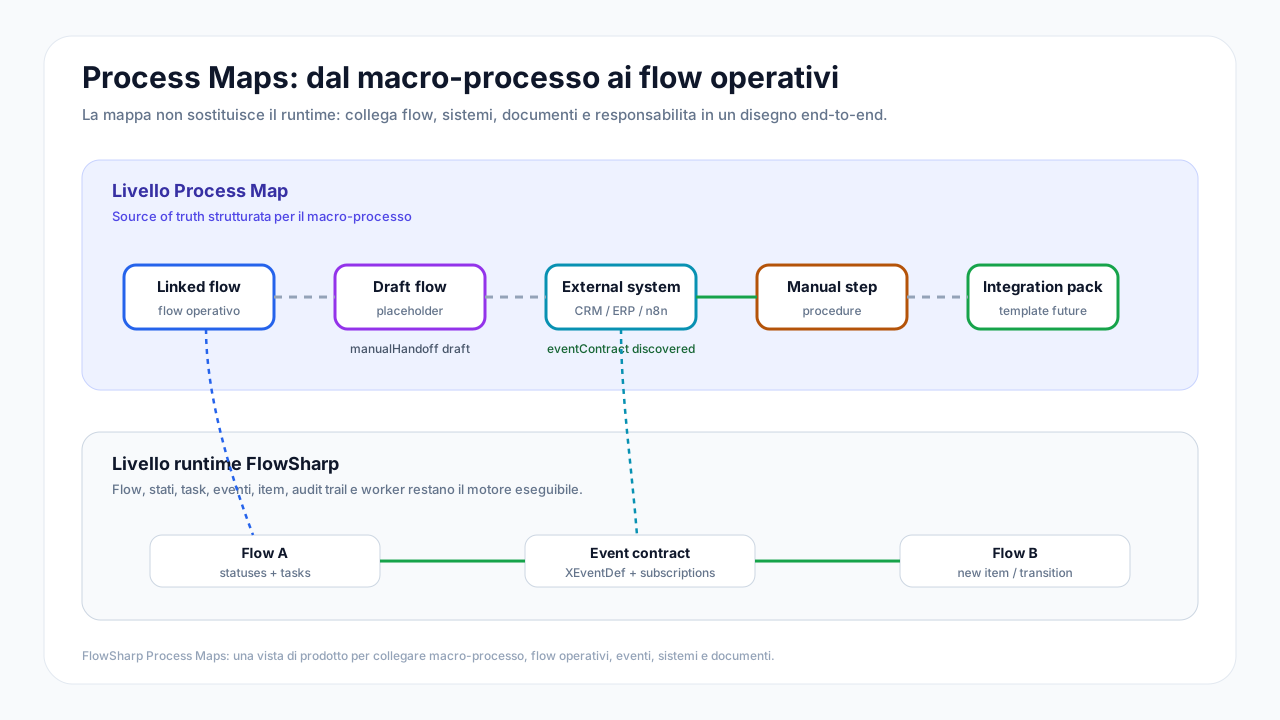
A Process Map makes the entire path of work visible: states, transitions, roles and data in a single view understandable by both business and IT.
Why you need a map
Real processes cross people, emails, spreadsheets and different management systems. Each one sees only their slice and no one owns the whole picture. The Process Map recomposes these fragments into a single path.
Mapping does not mean documenting for a manual no one reads: it means creating the executable object on which the real work will run.
The layers of the map
A well-built Process Map separates the layers: the state of the process, the data that travels with it, the rules that govern transitions and the events that connect systems. This layering keeps the map readable as it grows.
Each layer can be discussed with the right stakeholder: business reasons about states, IT about data and integrations.
Anatomy of the designer
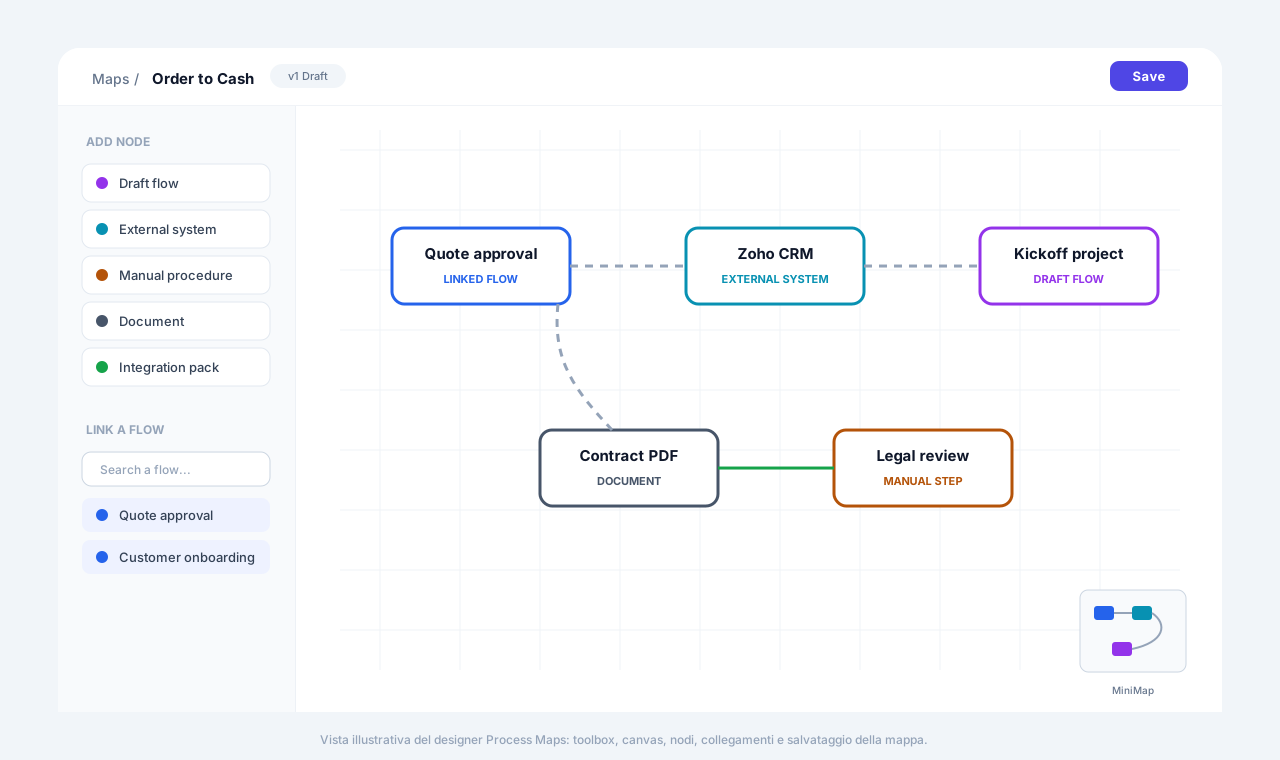
In the visual designer every state is a node, every transition a connection. The side inspector lets you configure tasks, rules, timeouts and policies without writing code.
This anatomy makes the process editable by the people who actually know it, reducing the distance between who designs and who executes.